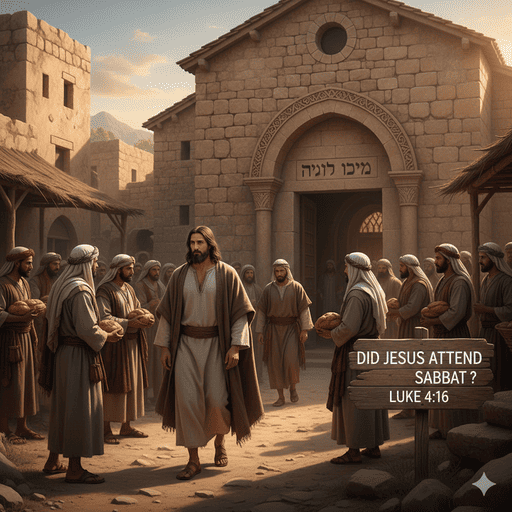

Yes, Jesus regularly participated in synagogue gatherings on the Sabbath, taking part in worship and teaching as part of His normal practice. (Luke 4:16)
At the same time, He often questioned rigid customs by performing healings and acts of kindness, highlighting that human need outweighs strict rule-keeping. (Mark 3:1-6)
Rather than doing away with the Sabbath, He reshaped its meaning—revealing it as a time centered on mercy, renewal, and alignment with God’s heart, not merely a list of restrictions.
Historical and Biblical Context of Jesus and the Sabbath
The Sabbath is observed from sunset on Friday to sunset on Saturday, a day set apart for rest, worship, and reflection in obedience to the fourth commandment: “Remember the Sabbath day, to keep it holy.” (Exodus 20:8-11)
For the Jewish people of Jesus’ time, the Sabbath served as both a covenant sign and a cultural cornerstone—it reminded them of creation, liberation from Egypt, and their identity as God’s chosen people.
According to the Gospels, Jesus grew up in Galilee in a devout Jewish household that respected Jewish laws and customs (Luke 2:41–52).
It’s no surprise, then, that He regularly attended synagogue services on the Sabbath. In Luke 4:16, the text says that Jesus went to the synagogue “as was His custom.”
This phrasing is significant—it suggests that Sabbath observance was a consistent part of His life.
However, Jesus’ interaction with the Sabbath wasn’t merely about attendance—it was also about interpretation.
In His ministry, He both affirmed the sacredness of the Sabbath and challenged narrow or legalistic views of it.
His approach wasn’t to dismiss the institution, but rather to restore it to its intended meaning: a day for worship, mercy, and restoration.
Examples of Jesus Attending or Teaching on the Sabbath
The four Gospels record multiple instances of Jesus’ presence and activity on the Sabbath, often in the synagogue. These moments reveal not only His participation in the Sabbath day but also His interactions with people in need during that day of rest.
One of the clearest examples comes from Luke 4:16–21, where Jesus attended the synagogue in Nazareth and read from the scroll of Isaiah. This moment marks the beginning of His public ministry.
After reading the passage about proclaiming good news to the poor and liberty to captives, He announced that the Scripture was fulfilled in their hearing. This powerful act demonstrated that Jesus saw the Sabbath as an occasion to reveal the purpose of His mission and the heart of God’s redemption.
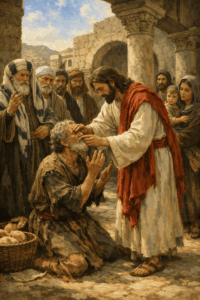
In other Sabbath accounts, Jesus performed acts of healing that triggered controversy among the religious leaders. For instance, in Mark 3:1–6, He healed a man with a withered hand in the synagogue.
When the Pharisees questioned whether such an act was lawful, Jesus posed a challenge: “Is it lawful on the Sabbath to do good or to do harm, to save life or to kill?” His question cut through rigid traditionalism, driving home that the Sabbath was meant to serve humanity, not burden it.
Another well-known encounter appears in John 5, where Jesus healed a paralyzed man by the pool of Bethesda on the Sabbath. The religious leaders accused Him of breaking the commandment, but Jesus responded, “My Father is working until now, and I am working.” This statement highlights His divine authority and ongoing participation in God’s redemptive work—even on the Sabbath.
Across these events, one pattern stands out: Jesus used the Sabbath not for inactivity but for purposeful, restorative action. His miracles symbolized the deeper freedom and wholeness that the Sabbath was designed to offer humanity.
Jesus’ Interpretation of Sabbath Observance
Jesus’ interpretation of the Sabbath can best be understood through His famous declaration in Mark 2:27–28: “The Sabbath was made for man, not man for the Sabbath.
Therefore, the Son of Man is Lord even of the Sabbath.” This statement reframed centuries of tradition. For some religious leaders, Sabbath-keeping had become a rigid set of prohibitions, but Jesus reoriented it toward God’s intent—a blessing for humankind, not a burden.
His teaching emphasized that the Sabbath was created for rest, renewal, and relationship with God. Jesus demonstrated this in practice—by worshiping, teaching, and healing on the Sabbath, He modeled a balance of reverence and compassion.
He did not violate the heart of the commandment but fulfilled it perfectly, showing that acts of mercy align with divine rest rather than contradict it.
In addition, His self-reference as “Lord of the Sabbath” revealed His authority over religious law. Far from dismissing it, He clarified its ultimate purpose within God’s kingdom.
Through His ministry, Jesus shifted the focus from external rule-following to internal restoration. He showed that true Sabbath observance transcends ritual—it’s about spiritual renewal, liberation from burdens, and alignment with God’s will.
Conclusion: The Sabbath as a Reflection of Jesus’ Mission
So, did Jesus attend the Sabbath? Absolutely—He not only attended but elevated its meaning.
The Gospels depict Him regularly participating in synagogue worship and transforming the day into an illustration of God’s mercy and restorative intent. Far from disregarding the Sabbath, Jesus revealed its true character: a gift from God for humanity’s well-being.
Through His actions, Jesus demonstrated that the Sabbath was a time to do good, to heal, to restore dignity, and to reconnect with God’s purpose. His teachings remind modern believers that rest is not about rigid legalism but about spiritual renewal and compassion.
In essence, Jesus lived the Sabbath as it was meant to be—a time of joy, worship, and liberation. For those seeking to know whether He honored the Sabbath, the answer is yes—but more profoundly, He fulfilled it.
By centering the day around love, grace, and freedom, Jesus embodied the deepest meaning of divine rest, inviting all who follow Him to find that same rest for their souls. (Matthew 11:28)
My Letter To A Sunday Keeper – Sabbath Documentary

The Days of Noah – Powerful Documentary (Video Format)

Bible Studies – Written Format